Romanian (RO)
 English (EN)
 Spanish (ES)
TRAVITUDE
Search
No results.
The widget titles and content are demonstrative, they can be modified and the widgets can be used in any way that suits you.
Destinations
tvt-wdg-box-01
Hotels
tvt-wdg-box-02
Destinations
tvt-wdg-box-03
Hotels
tvt-wdg-box-04
Flights from
tvt-wdg-box-05
Tours
tvt-wdg-box-06
City Break
tvt-wdg-box-07
Destinations
tvt-wdg-box-08
Destinations
tvt-wdg-box-09
Hotels
tvt-wdg-box-10
Destinations
tvt-wdg-box-11
Destinations
tvt-wdg-box-12
City Break
tvt-wdg-box-13
Destination info
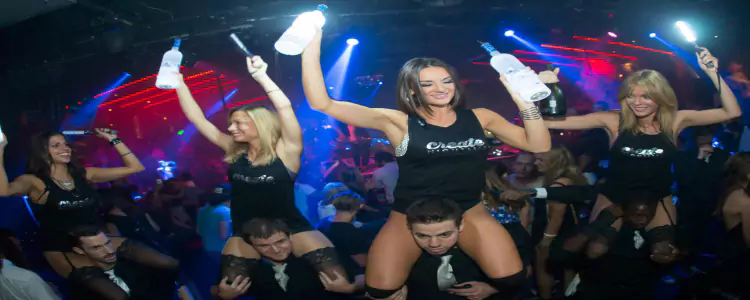
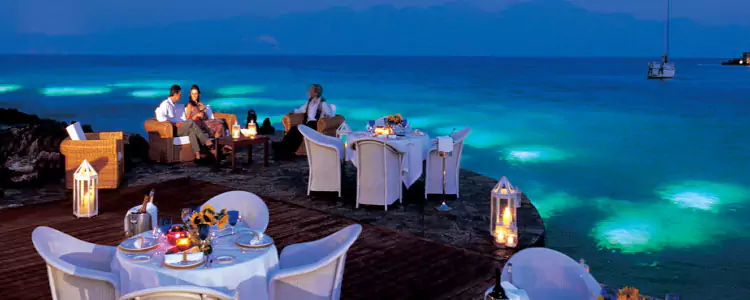
After sunset the island changes rhythm. Malia is the loudest address on Crete, with a strip of clubs that fills up around midnight and empties at sunrise, while Hersonissos spreads its bars along the seafront and keeps the music a little friendlier for families who are still out after dinner. Chania and Rethymno play it differently: the Venetian harbours and the narrow lanes behind them are lined with cocktail bars, wine bars and rooftop terraces where the evening starts slowly and stretches past midnight without ever turning into a club night. Heraklion has the student crowd, so Korai and the surrounding streets stay busy all year and not only in August. If you prefer something closer to the local tradition, look for a kentro or a taverna with live Cretan music, where the lyra and the laouto come out after the plates are cleared, raki keeps arriving at the table uninvited, and the dancing lasts as long as the musicians do. Beach clubs along the northern coast bridge the two worlds, starting as sunbeds in the morning and ending as open-air parties with a DJ. Most venues are seasonal and run from May to October, drinks are cheaper the further you move from the main strips, and taxis are the safest way back to your hotel because the coastal road is busy at night.
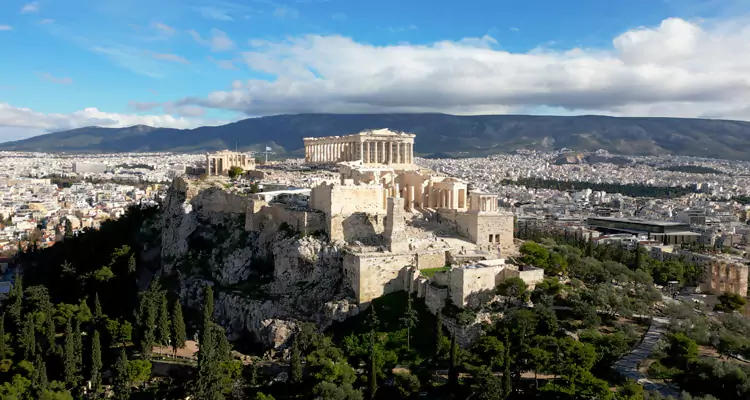
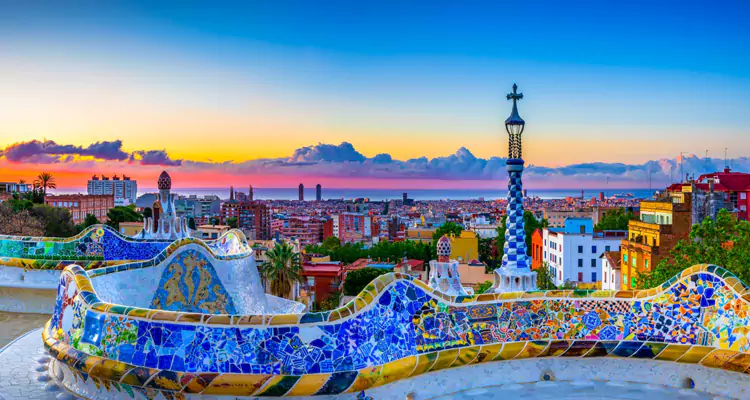
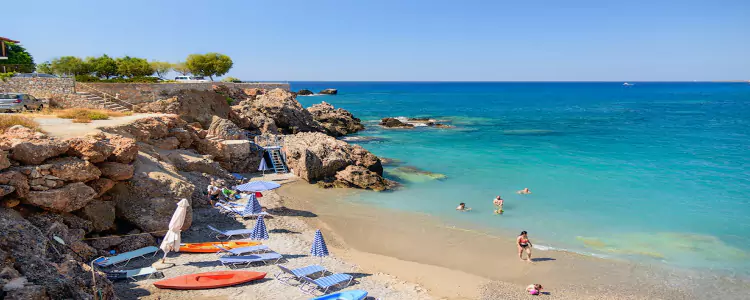
Crete has the longest season in Greece, so the right month depends on what you want from the trip. May, June and September are the sweet spot: the sea is warm, the days run between 25 and 30 degrees, the beaches are wide open and prices are noticeably lower than in high summer. July and August bring the heat, often above 35 degrees inland, along with the meltemi wind on the northern coast and the busiest beaches of the year, which suits anyone travelling for nightlife and long swimming days. October still offers swimming weather and is the best month for hiking the gorges, while the harvest brings village festivals and fresh olive oil. From November to March the island turns quiet and green, the mountains get snow, many seaside hotels close, but the cities, the museums and the mountain villages stay open and are far cheaper. For hiking Samaria keep in mind the gorge normally opens in May and closes at the end of October.
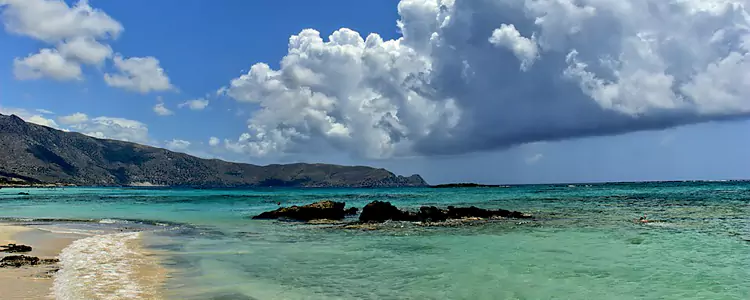
The island has more than a thousand kilometres of coast and a handful of beaches that people travel here for. Elafonisi, in the far south-west, is the one with the pink sand and a shallow lagoon you can walk across. Balos, reached by boat from Kissamos or by a rough track and a downhill walk, is a turquoise lagoon set between the Gramvousa peninsula and a Venetian fortress. Falassarna is a long stretch of open sand famous for its sunsets, while Preveli meets the sea at the mouth of a river lined with palm trees. On the south coast, Matala is known for the caves carved into the cliff, and Vai for the largest natural palm forest in Europe. If you want the crowds without the drive, the organised beaches around Chania, Rethymno and Agios Nikolaos have sunbeds, water sports and lifeguards. The most spectacular spots take effort to reach, so plan a full day, start early, and bring water, a hat and shoes you can walk in.
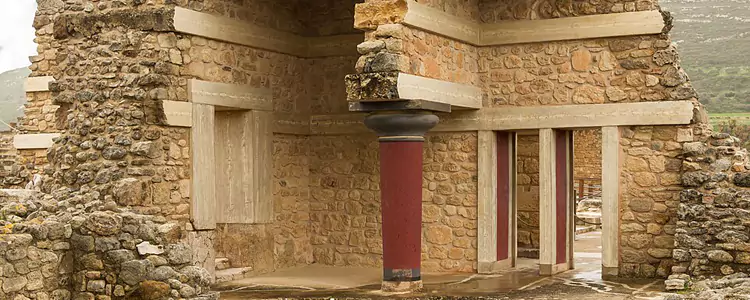
Six places give you the whole island in a week. The Palace of Knossos, just outside Heraklion, is the centre of the Minoan world and the best known archaeological site in Greece after the Acropolis. The Heraklion Archaeological Museum holds everything found there, including the frescoes and the Phaistos Disc. The Samaria Gorge is a sixteen kilometre walk down from the Omalos plateau to the Libyan Sea, and the most demanding day you can plan here. The Venetian old town of Chania, with its lighthouse and covered market, is the prettiest place on the island for an evening walk. Spinalonga, the fortified island off Elounda that served as a leper colony until 1957, is a short boat trip and an unforgettable hour. Finally, the Lasithi plateau and the Dikteon Cave combine mountain villages, windmills and the cave where Zeus is said to have been born. Most of them are open year round, and tickets are cheaper if you buy a combined pass for the sites around Heraklion.
Cretan food is one of the reasons people come back, and the rule of thumb is simple: the further you move from the main tourist strip, the better you eat. In the villages, a family taverna will bring you dakos, wild greens, snails, lamb with stamnagathi and slow cooked goat, usually finished with raki and a plate of fruit on the house. On the coast, the fish tavernas of Chania, Elounda, Sitia and the small southern harbours serve whatever came in that morning, sold by the kilo, so ask to see the catch and the price before ordering. Heraklion and Chania also have a new generation of modern Cretan restaurants that rework the same ingredients with a lighter touch, and both cities have a covered market worth visiting for cheese, olive oil, honey and herbs. Do not miss graviera and mizithra, bougatsa for breakfast, and kalitsounia, the small sweet or savoury cheese pies sold in every bakery. Lunch is usually served from one, dinner rarely starts before nine, and in summer it is worth booking a table at the popular places.
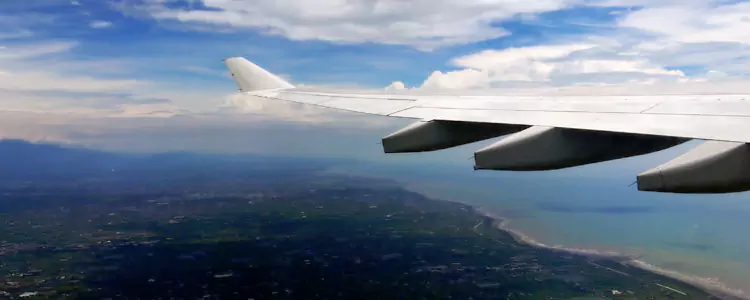
Crete has three airports. Heraklion is the main gateway and the busiest, Chania serves the whole west of the island, and Sitia in the east handles a small number of flights. Between May and October there are direct charter and low cost flights from most European cities, and outside the season you usually connect through Athens, which is a fifty minute hop with several departures a day. The alternative is the ferry: overnight boats leave Piraeus for Heraklion and Chania and take between eight and ten hours, with cabins, seats and space for cars, and there are also connections from Thessaloniki and from the Cycladic islands. Once you land, the airports are close to the cities, buses and taxis run to the main resorts, and the intercity KTEL network covers the northern coast well. For the gorges, the mountain villages and the beaches in the south, a rental car is the only practical option, so book it together with your flights in high season.
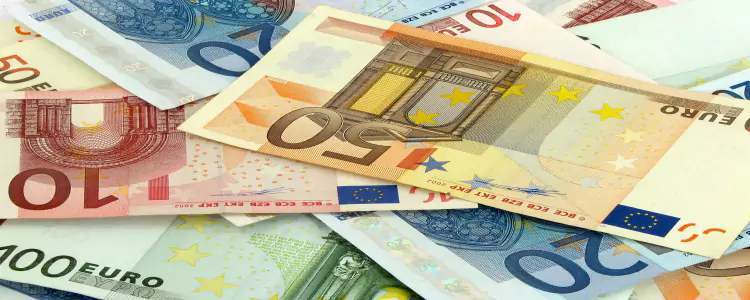
Crete is still one of the better value destinations in the Mediterranean, as long as you avoid the peak fortnight in August. A coffee costs around three euro, a gyros about four, and a full meal for two in a village taverna with wine rarely passes forty. Sunbeds and an umbrella on an organised beach are usually fifteen to twenty euro a day, free if you order at the beach bar. Museum and archaeological site tickets run between six and twenty euro, and combined passes bring that down. A small rental car is around thirty to forty euro a day in spring and autumn and can double in August, while fuel is close to the European average. Accommodation makes the biggest difference: the same studio can cost half as much in May or October as it does in high summer. Card payments are accepted almost everywhere, though small tavernas and mountain villages still prefer cash, and tipping is appreciated but never expected beyond rounding up the bill.
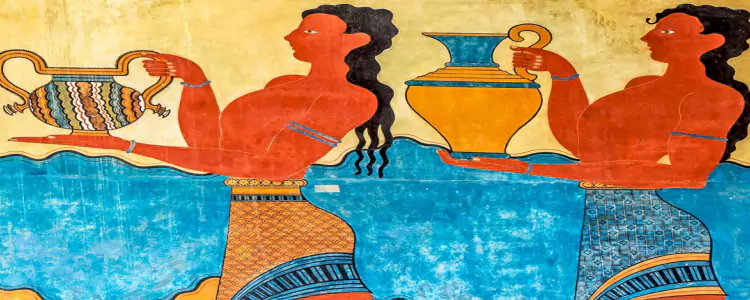
Myth says that Rhea hid her newborn son here so that Cronus could not swallow him, and that Zeus grew up in a Cretan cave, fed by the goat Amaltheia while the Kouretes clashed their shields to cover the sound of his crying. Two caves claim the birth. The Dikteon Cave above Psychro, on the Lasithi plateau, is the more visited of the two, reached by a steep twenty minute climb and full of stalactites and votive offerings that archaeologists have dated to the Minoan period. The Idaion Cave, high on Mount Ida near the Nida plateau, is where the god was said to have been raised and was a major place of worship for more than a thousand years. The same mountain gives the island its highest peak, Psiloritis, at 2456 metres. The story does not end there: Zeus took the shape of a bull to carry Europa to Crete, and their son Minos founded the dynasty that built Knossos, which is why the myths, the palaces and the landscape all belong to the same visit.
Holidays
tvt-wdg-box-15
Packages
tvt-wdg-box-16
Offers
tvt-wdg-box-17
Flight tickets
tvt-wdg-box-18

Tenerife
20.01.2027
Las Palmas
22.01.2027
Fuerteventura
18.01.2027
Lanzarote
25.01.2027
Accommodation
tvt-wdg-box-19
Info boxes
tvt-wdg-box-20

Destinations
tvt-wdg-box-21
Destinations
tvt-wdg-box-22
Info boxes
tvt-wdg-box-23
Info boxes with background image
tvt-wdg-box-24


Team members
tvt-wdg-box-25

Documents
tvt-wdg-box-26